

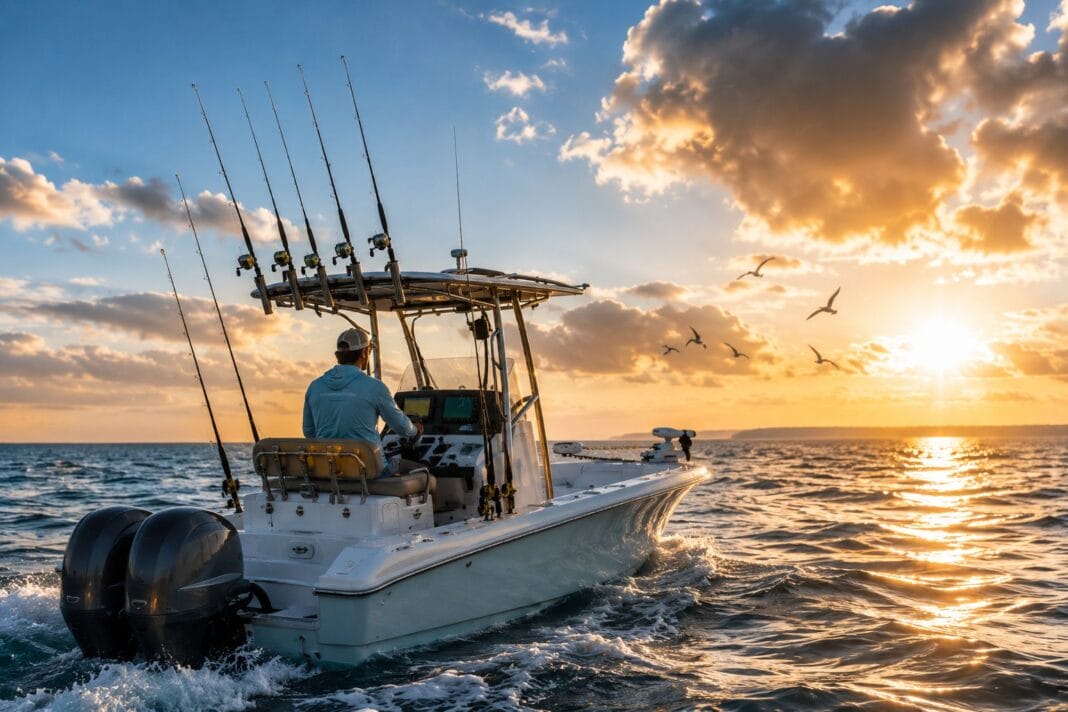
Having a boat opens up an enormous amount of fishing water, but simply being able to reach more places doesn’t guarantee you’ll catch more fish. In fact, some of the most common fishing mistakes happen because of the boat itself. Running too close to a productive spot, positioning the boat incorrectly, ignoring the current or spending too much time in unproductive water can turn a promising day into a frustrating one.
Often, the difference between catching fish and wondering where they went comes down to relatively small adjustments. From approaching a spot more carefully to paying closer attention to bait and current, here are 10 common mistakes boaters make while fishing and what you can do differently on your next trip.
1. Running Right Over the Fish
One of the easiest ways to ruin a good fishing spot is to drive directly over it before making your first cast. In deeper offshore water, passing over fish may not always be a problem, but around shallow flats, docks, bridges, reefs and other inshore structure, engine noise and prop wash can quickly change fish behavior. This becomes especially important in clear or shallow water, where fish may already be wary of boats.
Start slowing down before you reach the area you intend to fish. If conditions allow, make the final approach with the trolling motor or drift into position. When using sonar to locate fish, try to avoid making repeated passes directly over the same small area. Sometimes the best approach is to mark what you see, move away and come back quietly rather than immediately turning around and running over the fish again.
2. Ignoring Boat Position
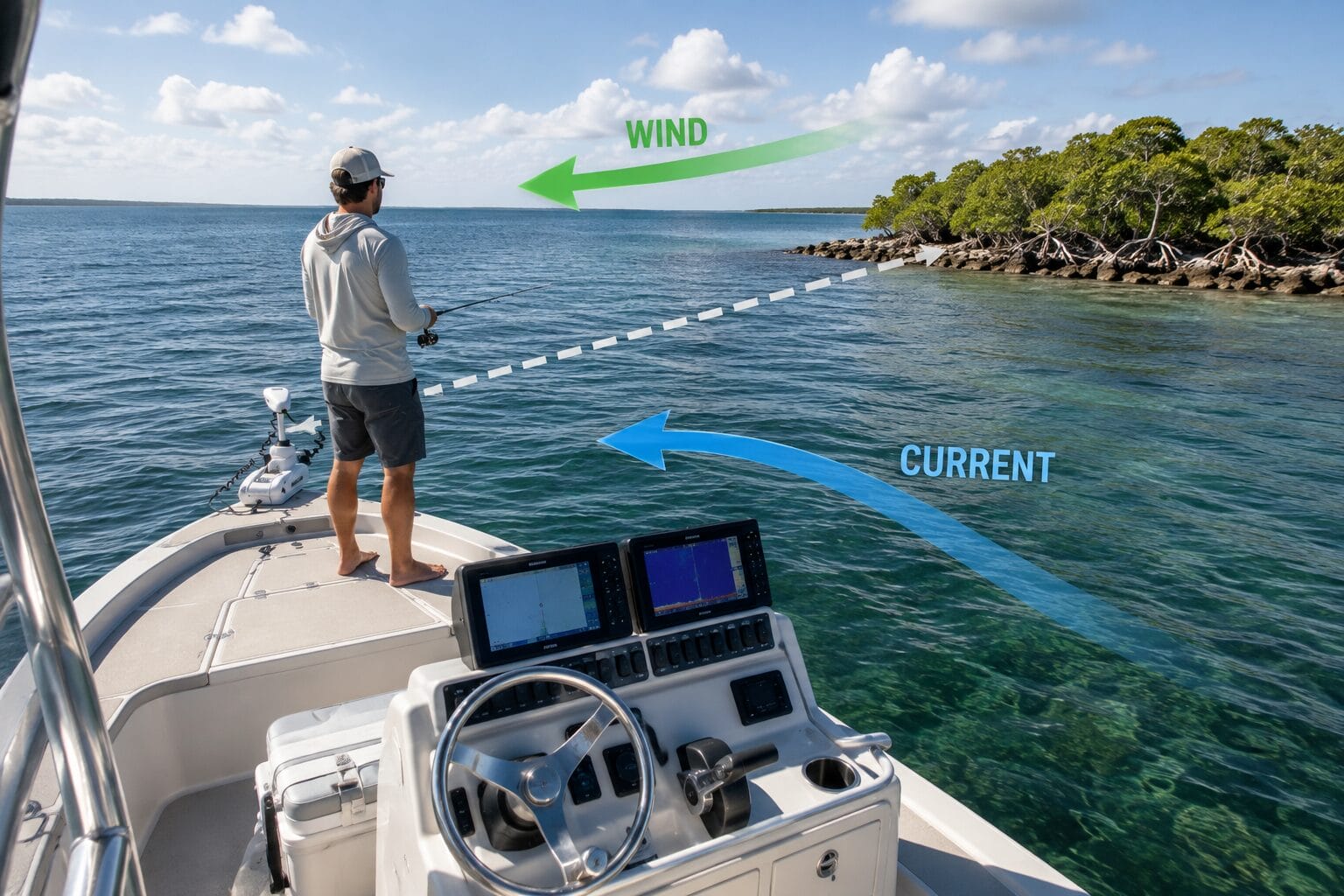
Where your boat is positioned can be just as important as where you cast. A common mistake is getting close to a promising piece of structure and immediately starting to fish without considering wind and current. A few minutes later, the boat is drifting away from the target—or worse, directly over the fish you were trying to catch.
Before making the first cast, look at the direction of the current and wind and think about where you want your bait or lure to travel. Good boat positioning allows you to make a more natural presentation while keeping enough distance from the fish. It can also give multiple anglers aboard a better opportunity to reach productive water without constantly repositioning the boat.
3. Fishing a Spot Instead of Fishing the Conditions
It’s easy to become attached to favorite fishing spots. You caught fish there last weekend, so naturally you return to exactly the same waypoint. The problem is that the conditions that made the location productive may have changed. Water temperature, tide, current, wind, water clarity and bait movement can all influence where fish position themselves.
A spot that was loaded with fish on an outgoing tide may be nearly empty during an incoming tide. Instead of asking only, “Where did I catch fish last time?” try to remember what was happening when you caught them.
- What was the tide doing?
- Which direction was the current moving?
- Was bait present?
- What was the water temperature?
- How deep were the fish?
- What time of day were they feeding?
Understanding why a location produced is much more valuable than simply saving its coordinates. Once you begin recognizing those patterns, you can start finding similar conditions in other places instead of relying on a handful of favorite waypoints.
4. Staying Too Long in Dead Water
Confidence is important in fishing, but there is a point where confidence turns into stubbornness. Boaters sometimes spend hours working an area because they believe fish should be there. If there are no bites, no visible bait and nothing interesting appearing on the electronics, it may be time to look elsewhere.
That doesn’t mean racing from spot to spot every five minutes. Give a productive-looking area a reasonable chance, vary your presentation and check different depths before leaving. At the same time, pay attention to what the water is telling you. Birds, baitfish, current, surface activity and marks on sonar are all signs of life. If one location seems empty while another has active bait and feeding birds, your odds will usually be better around the activity.
5. Using Too Much Weight
Adding more weight can make fishing easier from a boat, particularly in moving water. It gets the bait to the bottom quickly and can make it easier to maintain contact with your rig. But more weight isn’t always better. Too much can make a bait behave unnaturally, especially when fish are feeding on prey drifting with the current, and it can cause rigs to hang up more frequently around rocks, reefs and other structure.
Use enough weight to maintain control and reach the depth you’re trying to fish, but avoid automatically reaching for the heaviest sinker in the tackle box. If the current slows, lighten the rig. If it increases, add weight as necessary. Making those small adjustments throughout the day can help your bait stay in the strike zone while still moving naturally.
6. Forgetting About the Bait
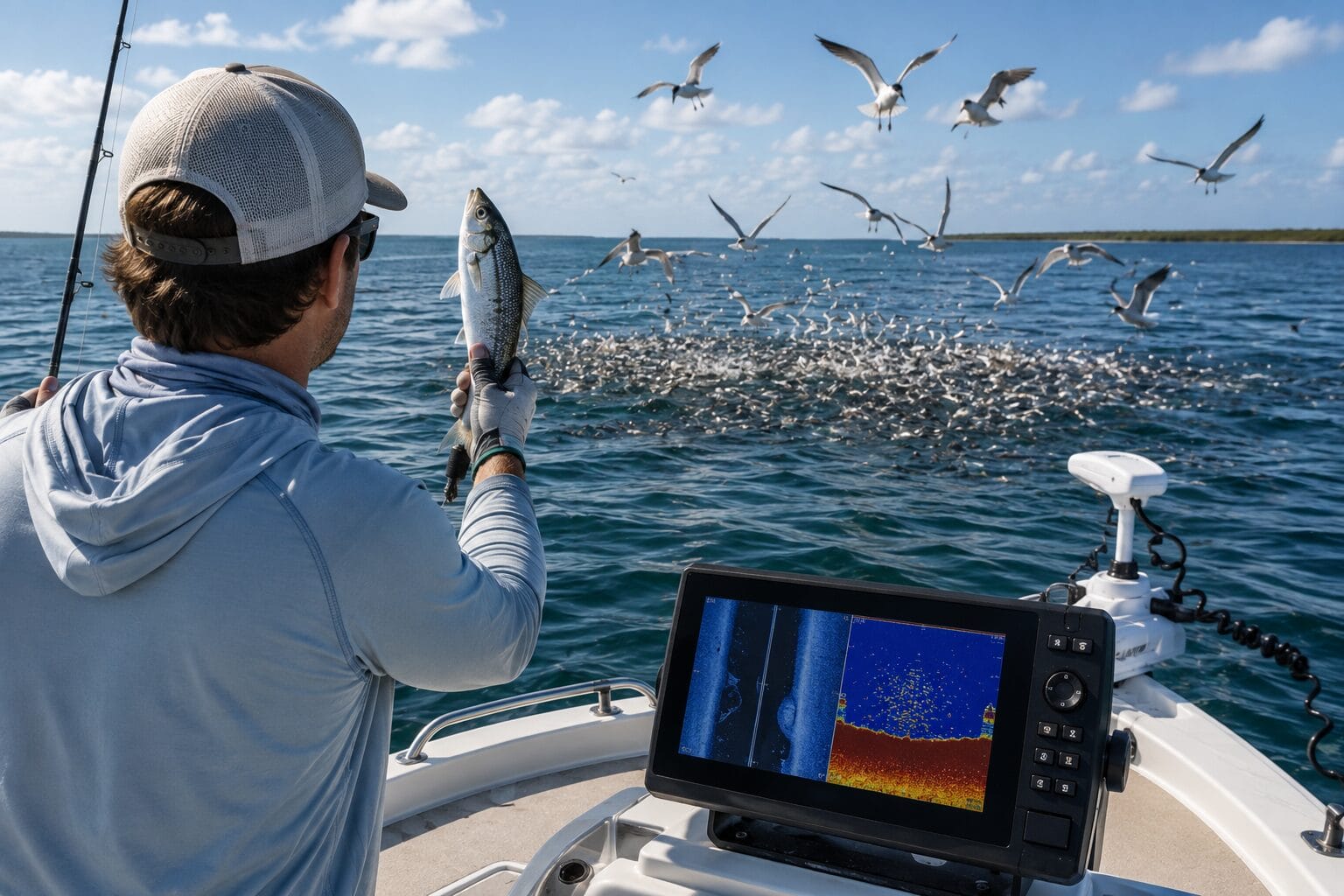
Anglers understandably spend a lot of time looking for fish, but sometimes it’s more useful to look for what the fish are eating. A sonar screen filled with large marks can certainly be encouraging, but concentrations of bait can be an even more important clue because predatory fish frequently move as their food moves.
Watch the water while you’re running. Look for birds working the surface, baitfish showering out of the water, dark patches of schooling bait or unusual surface disturbances. Your electronics can help as well. Dense clouds or balls of bait on sonar are worth investigating, particularly when they’re located near structure, depth changes or current edges. If you consistently find the food, you’ll often find the fish.
7. Making the Same Cast Over and Over
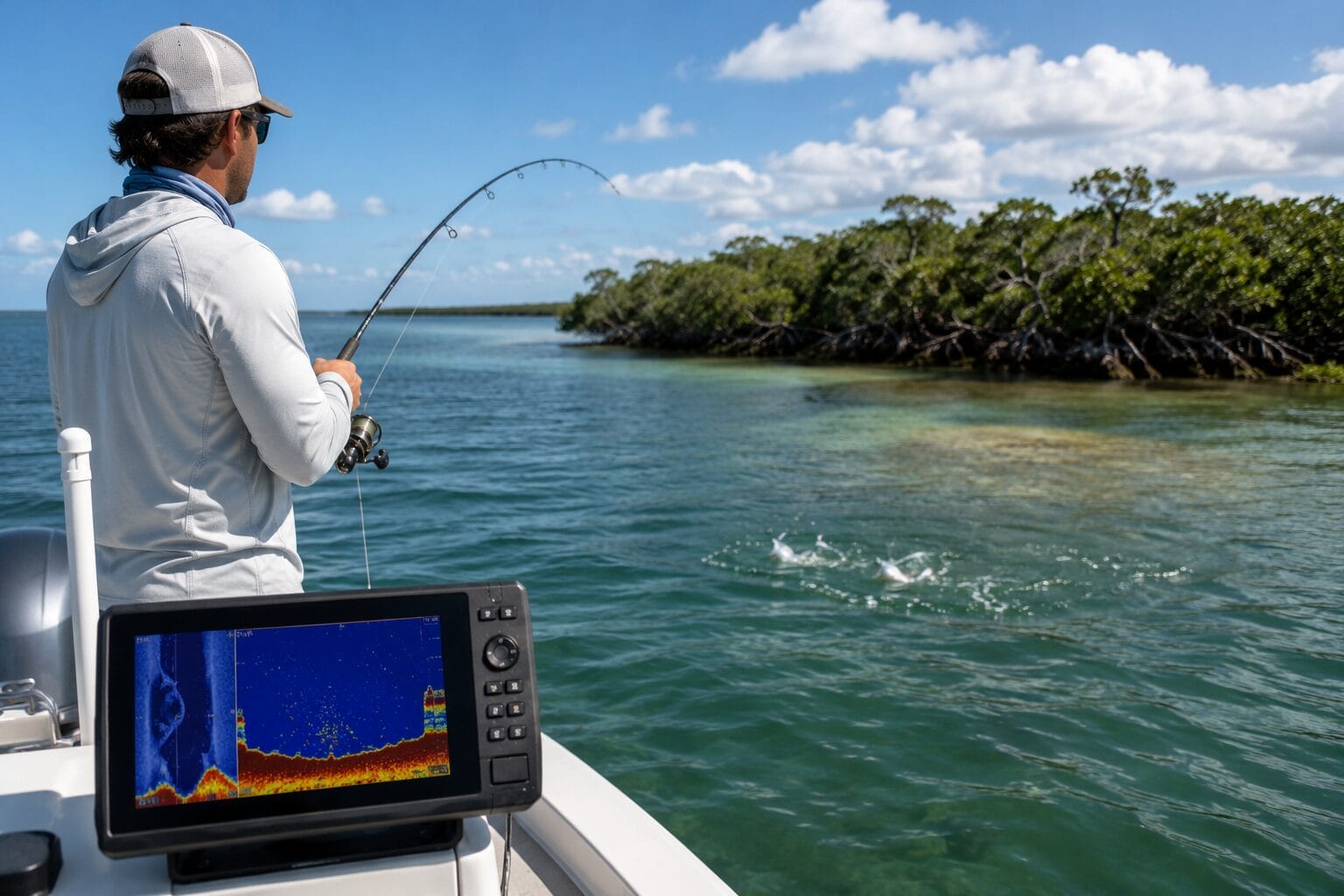
When fish aren’t biting, many anglers continue doing exactly what they’ve been doing—just more of it. They use the same lure, fish the same depth, make the same retrieve and cast in the same direction. If that presentation hasn’t produced after enough good casts, repeating it another 50 times may not solve the problem.
Instead, make deliberate changes. If you’re throwing a jig and aren’t getting bites, allow it to sink deeper or change the retrieve speed. Cast up-current and let it sweep naturally through the area. Try a different lure size or profile. If you’re fishing live bait, adjust the depth or amount of weight.
- Change the depth you’re fishing.
- Speed up or slow down the retrieve.
- Try a different lure or bait size.
- Experiment with color or profile.
- Change your casting angle.
- Adjust leader length or weight.
You don’t need to empty the tackle box every 10 minutes. The idea is to make one or two meaningful adjustments and pay attention to the results. Once something starts producing, you can refine it from there.
8. Anchoring in the Wrong Place
Anchoring can be extremely effective, but where you drop the anchor matters. A common mistake is finding the fish and then dropping the anchor directly on top of them. By the time the boat settles into position, the productive area may be underneath the boat—or the noise and disturbance of the anchor may have pushed fish away.
Instead, account for wind, current, depth and the amount of anchor line required before you deploy it. Position the boat so your baits will naturally reach the target once you’re settled. The same concept applies when using electronic anchoring or a trolling motor’s position-hold feature. Just because you can stop directly over a waypoint doesn’t mean that’s where the boat should be. Often, the better position is up-current or upwind so you can cast toward the target without sitting directly on top of it.
9. Watching the GPS More Than the Water
Modern marine electronics are incredibly useful. Chartplotters, sonar, side scan, radar and detailed mapping can show anglers things previous generations could only guess at. But electronics should add to what you’re seeing around the boat, not replace it.
Some of the best fishing clues are visible from the helm. A handful of birds suddenly gathering in one area can indicate bait being pushed toward the surface. A subtle rip can reveal a current edge. Floating grass or debris can create offshore habitat, while a noticeable change in water color may mark the boundary between two water masses.
Keep scanning the water while moving between fishing areas whenever it’s safe to do so. If you have other people aboard, another set of eyes can be particularly valuable. A small disturbance at the surface that looks insignificant from a distance can sometimes lead to a large concentration of bait and predators underneath.
10. Leaving Fish to Find Fish
There are few things more tempting than wondering whether the next spot might be even better. You’ve caught several fish, the bite slows for a few minutes and suddenly everyone starts discussing another waypoint. Sometimes moving is the right decision, but if you’re still seeing bait, marking fish or getting occasional bites, don’t be too quick to leave.
Fish often feed in short bursts. A change in current, a school of bait moving through or a slight shift in the tide can turn the bite back on. Before leaving productive water, try changing depth or presentation. Look around the immediate area with sonar or move a short distance rather than immediately running several miles to another spot.
There’s an old fishing lesson behind this one: don’t leave fish to find fish. If you know fish are in the area, figuring out how to get them biting again can be a better use of your time than starting the search from scratch somewhere else.
Small Adjustments Can Make a Big Difference
Successful boat fishing isn’t always about discovering a secret location or buying another piece of equipment. Often, it’s about becoming better at reading what’s already happening around you. Pay attention to how your boat approaches a spot, think about where the current will carry your bait and watch for signs of life before committing too much time to an area.
Most importantly, try to understand why you’re catching fish when things are going well. A waypoint tells you where you caught a fish. Knowing the tide, current, depth, bait, water conditions and boat position tells you why that fish was there.
Once you begin putting those pieces together, you’re no longer simply running from fishing spot to fishing spot. You’re using the boat to put yourself in the right position under the right conditions—and giving yourself a much better chance of finding fish wherever you go.

